
Table of Contents▼
In This Article
- Is Speaker Break-in Real or a Myth?
- How Long Does Speaker Break-in Take?
- Recommended Break-in Schedule
- Tips for Breaking In Your Speakers
- 1. Be Patient
- 2. Pay Attention to the Sound
- 3. Use a Variety of Music
- 4. Avoid Overloading the Speakers
- 5. Consider a Speaker Break-in Service
- Speaker Break-in Myths Debunked
- Conclusion
Speaker break-in is a real phenomenon — not a myth. When speakers are new, internal components like driver cones and surround materials haven't fully relaxed yet. This guide covers:
- The Science: Why break-in happens and what changes in the speaker
- Timeline: 100-200 hours for full break-in, with noticeable changes along the way
- Best Practices: How to break in speakers properly without damaging them
- Myths Debunked: Common misconceptions about the break-in process
- Tips: Using test tracks, variety of music, and what to listen for
If you're an audiophile or a professional sound engineer, you may have heard about speaker break-in — the process of allowing a new speaker to reach its full potential through regular use.
The key to understanding how this phenomenon works is understanding how your ears hear sound. Your ear can't tell the difference between a high-quality speaker and a cheap one after it has been broken in. All that matters is whether or not there's enough lower frequency content (bass) to make up for what was missing from the highs during its first few days or weeks of use — which means you need more time than just one day with your new speakers before they've reached peak performance.
Is Speaker Break-in Real or a Myth?
The short answer is that speaker break-in is real.
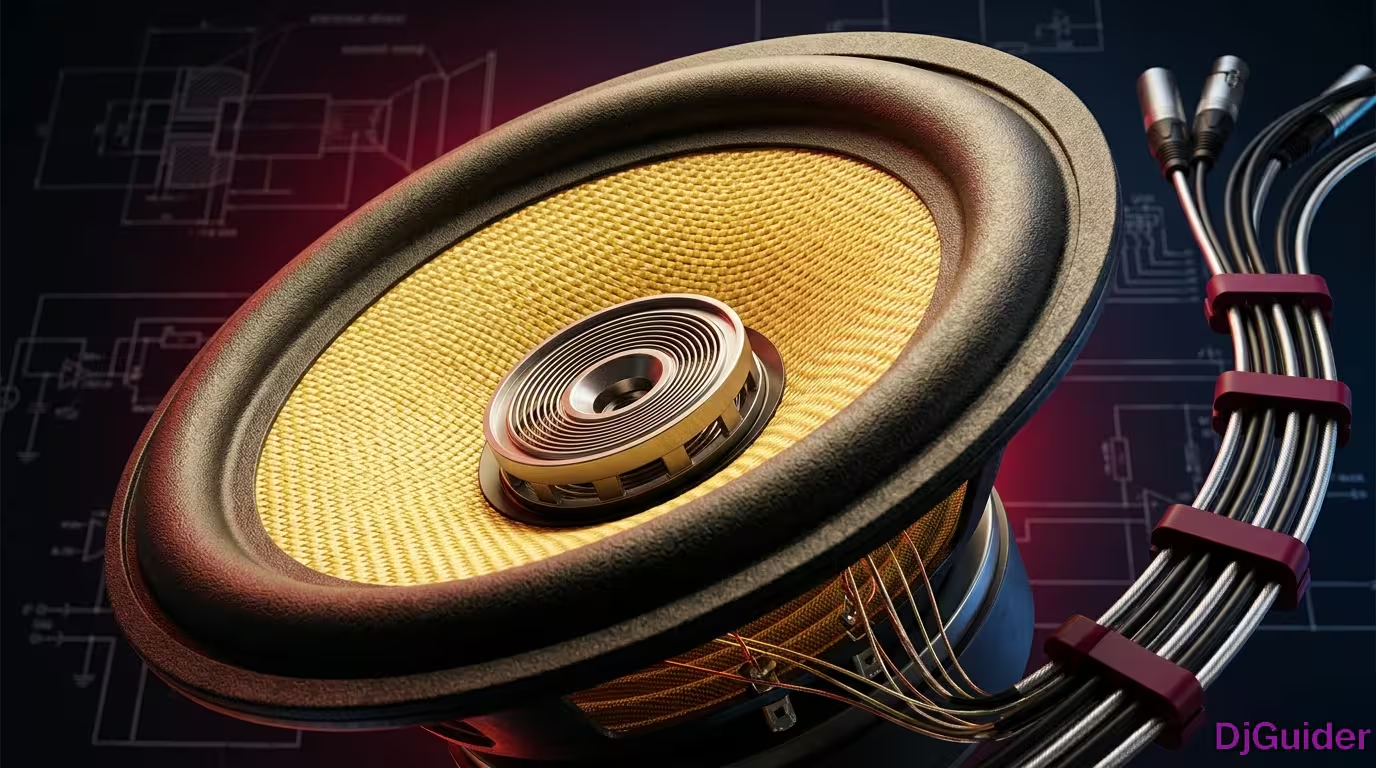
When a new speaker is first used, its internal components — including the driver cones and surround materials — may not be fully relaxed or seated. This can result in a speaker that sounds stiff, harsh, or "bright."
| Before Break-in | After Break-in |
|---|---|
| Stiff, tight sound | Smooth, relaxed sound |
| Harsh or bright treble | Balanced frequency response |
| Bass feels constrained | Deeper, fuller bass |
| Driver feels rigid | Driver moves more freely |
| Surround material is stiff | Surround material is flexible |
As the speaker is used over time, the internal components will naturally relax and settle into place, resulting in a smoother, more balanced sound.
The suspension components of a speaker — the spider and the surround — are made of materials that have mechanical properties that change with use. Just like breaking in a new pair of leather shoes, the materials stretch and become more pliable with regular movement. This changes the speaker's Thiele-Small parameters slightly, affecting how it performs.
How Long Does Speaker Break-in Take?
It can take up to 200 hours for a speaker to break in fully. However, the exact time varies depending on the specific speaker design, materials used, and how it's used.
| Speaker Type | Typical Break-in Time |
|---|---|
| Bookshelf speakers | 50-100 hours |
| Floorstanding speakers | 100-200 hours |
| Studio monitors | 50-150 hours |
| Subwoofers | 20-50 hours |
| High-end audiophile speakers | 100-200+ hours |
For most speakers, 200 hours of moderate use is the sweet spot for full break-in. You'll notice the most significant changes in the first 50 hours, with subtle improvements continuing beyond that.
Recommended Break-in Schedule
To help your speakers settle in, follow this cycle:
| Step | What to Do |
|---|---|
| 1 | Start with background music at a low or modest level |
| 2 | After an hour, bump the volume up for a few minutes |
| 3 | Return to background level for the rest of the day |
| 4 | Repeat this cycle daily until bedtime |
| 5 | Use a variety of music genres for best results |
The best way to know if your new speakers have broken in is by using test CDs like "Burn In CD." This allows you to hear exactly how each frequency range (bass, mid-range, and treble) sounds at different volumes.
Tips for Breaking In Your Speakers
1. Be Patient
Breaking in speakers takes time. Don't expect to see significant improvements overnight — it may take several days or even weeks to fully break in your speakers.
2. Pay Attention to the Sound
As your speakers break in, pay attention to how they sound. You may notice subtle changes in the tonal balance, clarity, and overall sound quality.
| What to Listen For | Change to Expect |
|---|---|
| Treble | Less harsh, smoother |
| Midrange | More open, natural |
| Bass | Deeper, tighter |
| Soundstage | Wider, more defined |
| Overall | Less fatiguing |
3. Use a Variety of Music
To help break in your speakers effectively, use music with different frequencies and dynamics. This will exercise all parts of the speaker.
| Genre | What It Exercises |
|---|---|
| Classical | Full frequency range, dynamics |
| Electronic | Deep bass, transients |
| Rock | Midrange punch, cymbals |
| Jazz | Vocals, acoustic instruments |
| Movie soundtracks | Everything at once |
It's a good idea to take notes or make comparisons to how your speakers sounded before they were broken in. This helps you track the progress and appreciate the changes.
4. Avoid Overloading the Speakers
It's important to avoid overloading your speakers, especially during the break-in process. Don't play music at high volumes for extended periods of time, and be mindful of the power-handling capabilities of your speakers. Overloading can cause damage and shorten their lifespan.
5. Consider a Speaker Break-in Service
If you're in a hurry to break in your speakers, or if you don't have the time or resources to do it yourself, you may want to consider using a speaker break-in service. These services use specialized equipment and techniques to speed up the process.
Breaking in speakers is about gentle, consistent use — not torture. Playing them at extreme volumes for hours on end can damage the voice coil or cause mechanical failure. Be patient and let the process happen naturally.
Speaker Break-in Myths Debunked
| Myth | Reality |
|---|---|
| Only high-end speakers need break-in | All speakers benefit from break-in, regardless of price |
| 48 hours is enough for any speaker | Break-in time varies — some need 200+ hours |
| Break-in services are the only way | Regular use at moderate volume works just as well |
| You can't do it yourself | You absolutely can — just use your speakers normally |
| Break-in only affects bass | Break-in affects the entire frequency range |
| If it doesn't sound good on day one, it never will | Speakers often sound dramatically better after break-in |
Myth: Speaker break-in only applies to high-end audio equipment. Reality: It applies to all speakers, from budget bookshelf models to high-end studio monitors.
Myth: It takes exactly 48 hours for every speaker pair. Reality: Break-in time varies significantly based on design, materials, and usage patterns.
Myth: Burn-in services can only be performed at an audio shop. Reality: Regular use at home is the most natural and effective way to break in speakers.
Conclusion
Speaker break-in is a real and important process that can help your speakers reach their full potential. By using your speakers regularly at a moderate volume level, you can help them break in and enjoy the best possible sound quality.
| Key Takeaway | Summary |
|---|---|
| It's real | Components relax and settle with use |
| Be patient | 100-200 hours for full break-in |
| Use variety | Different music exercises different frequencies |
| Listen carefully | Notice the subtle improvements over time |
| Avoid overloading | Gentle use prevents damage |
Whether you're a casual listener or a professional sound engineer, taking the time to break in your speakers can be well worth the effort. The difference between a fresh-out-of-the-box speaker and one that's been properly broken in can be night and day.